Common GST Invoicing Mistakes and How to Avoid Them
GST invoicing is a routine activity for most businesses, but even small errors can create problems during reconciliation, GST return preparation and payment collection. Establishing a proper invoicing process can significantly reduce these risks.
Here are some common GST invoicing mistakes businesses should avoid.
1. Incorrect GSTIN
Entering an incorrect customer GSTIN can create reconciliation issues and may affect the customer’s ability to correctly report the transaction.
2. Wrong GST Rate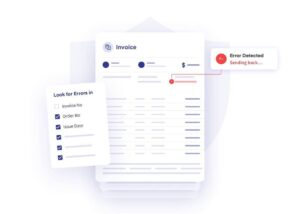
Applying an incorrect GST rate can result in either excess or short payment of tax. Businesses should verify the applicable rate before issuing invoices.
3. Incorrect HSN or SAC
Incorrect or incomplete HSN/SAC details can create reporting discrepancies. These details should be reviewed carefully while creating invoices.
4. Incorrect Place of Supply
For transactions where place of supply affects the applicable tax, incorrect details can lead to CGST/SGST versus IGST errors.
5. Duplicate or Incorrect Invoice Numbers
Maintaining a proper invoice numbering system is important for organised records and GST reporting.
6. Manual Calculation Errors
Manually calculating taxable value, GST and invoice totals increases the possibility of mistakes, particularly when businesses generate a large number of invoices.
How Can Businesses Avoid These Errors?
Businesses should use standard invoice formats, verify customer details, review tax calculations and maintain systematic records.
Cloud-based GST invoicing software can further reduce manual work by automating calculations, maintaining invoice records and providing standardised billing processes.
Accurate invoicing is not just about creating an invoice—it is an important part of maintaining an efficient GST compliance process.